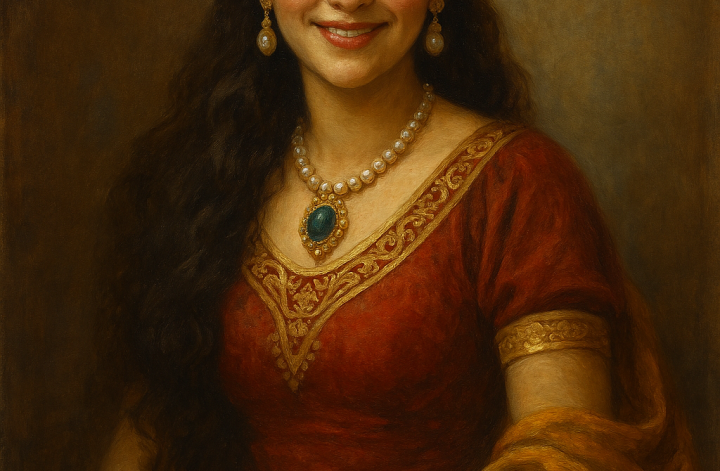
Many scholars today believe that the book of Esther was written as a play, not history. There are several reasons why this makes sense, but we will not focus on those here. While the Protestant canon places Esther alongside historical books like Ezra and Nehemiah, the Hebrew Bible Canon places the book alongside Wisdom literature. It is also worth noting that there are several known versions of the Book of Esther, each with notable differences. For instance, preachers have often pointed out that the book of Esther is a book of the Bible that does not mention God at all; God is an invisible hand writing the story. However, in some of the other versions, God is explicitly invoked in the story.
Furthermore, Esther and the Song of Solomon are books that were hotly contested during the process of establishing the Hebrew Bible canon. One apparent reason is that these books are rather sexual, and some of the deciding powers did not think that sex and spirituality walk together. In the case of Esther, there might have been another reason people resisted its canonization: the story is about heroines, not a hero.
That’s right. I think there are two heroines in the book of Esther, though we have often focused on one and maligned the other. The Jewish girl, Esther, certainly deserves the praises that have been accorded her since the book was written. She risked her life by approaching the Persian king unbidded:
Celebrating Queen Vashti